Energy Reliability and Resilience
What is energy resilience?
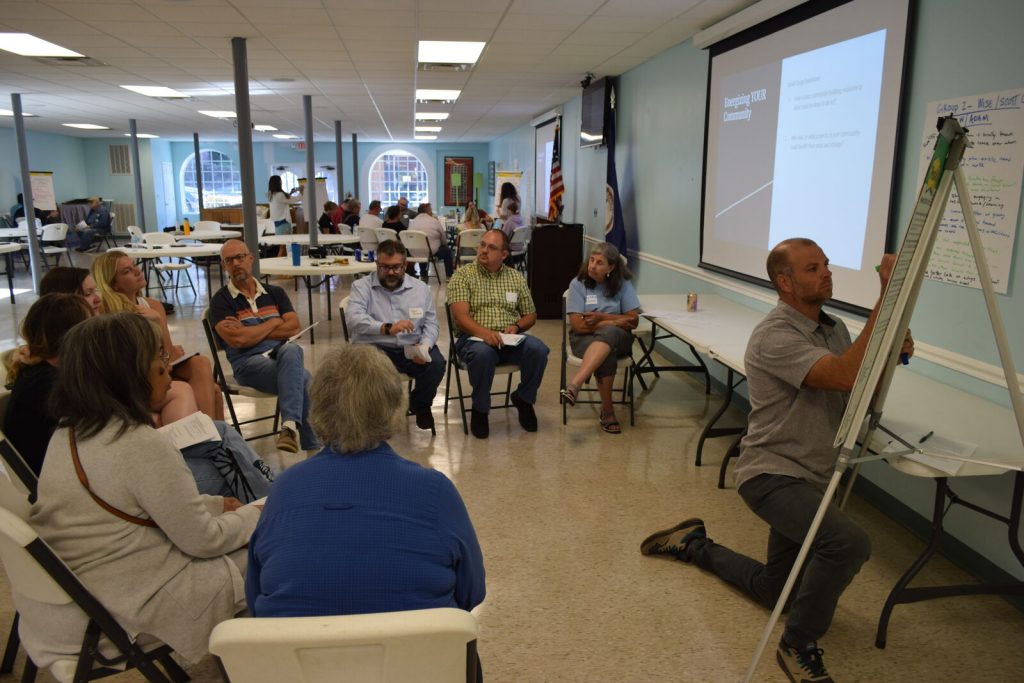
Community energy resilience means Security, Safety, and Community!
Energy resilience is the ability of communities to access electricity no matter the scenario. This increases community members’ resilience by ensuring access to heating and cooling, energy for medical equipment, communication, and more. Energy resilience ensures the security and safety of family members in your community.
What is an energy resilience hub?
A resilience hub is any place within a community that provides reliable backup power and generation during emergency situations or power outages. Resilience hubs may be a school, community center, church, emergency response building, or any other building dedicated to serving the community.
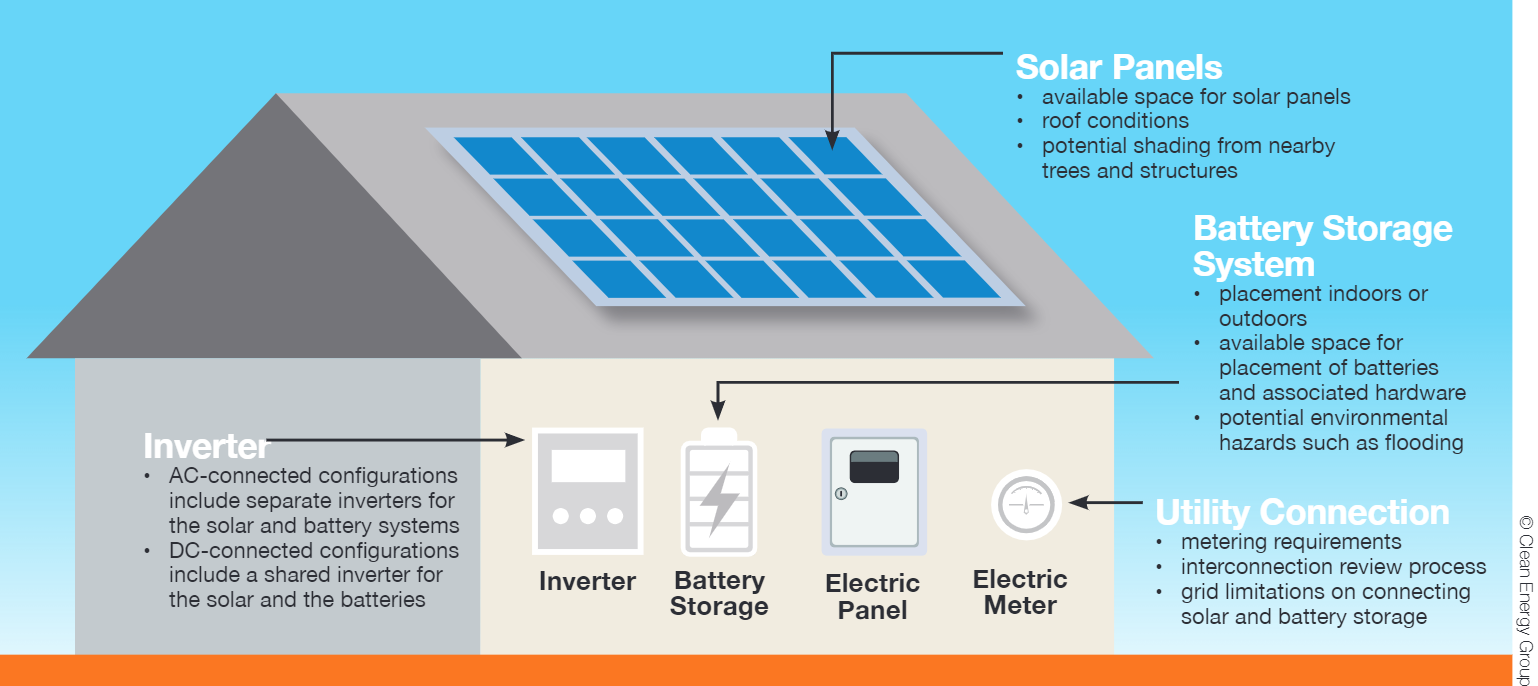
Solar + energy storage (batteries) has become a leading technology for developing energy resilience in communities. This is because solar energy and batteries can continue to generate and store electricity, reducing reliance on fuel-based generators which may be impacted by fuel shortages and rising fuel prices. Learn more about energy resilience and resilience hubs in our Community Energy Resilience Flyer!
Virginia Energy Resilience Study and Program
The Virginia Department of Energy partnered with the Solar Workgroup and Resilient Virginia to conduct the Virginia Energy Resilience Study and Program in 2024 & 2025. Participating communities in Southwest Virginia included Buchanan County and the towns of Dungannon and Clinchco. For more information on the outcomes of this study, email swvasolar@appvoices.org.
Resources available for resilience hubs
- Southwest Virginia Solar Workgroup Energy Resilience Assistance – For help with planning and funding a local energy resilience hub, community members may reach out to swvasolar@appvoices.org to assess the opportunity and multiple funding opportunities to assess, model, and construct solar + storage-powered facilities.
Ways to increase your resilience at home
- Increase your energy efficiency by making sure doors and windows seal properly and that you have proper insulation. Many homes in Southwest Virginia can be considered for the Department of Housing and Community Development’s Weatherization Assistance Program.
- Identify crucial equipment and needs during an emergency. Electricity-powered medical or mobility devices, temperature-sensitive medications, communication devices, charging equipment, and temperature-related health needs are all examples of important things to consider.
- Consider home solar and backup batteries, which allow you to generate cheaper electricity throughout the year while providing backup generation and energy storage when the power goes out.